Out Of Stock
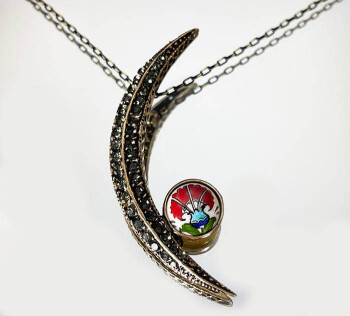
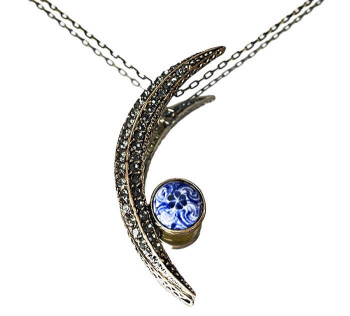
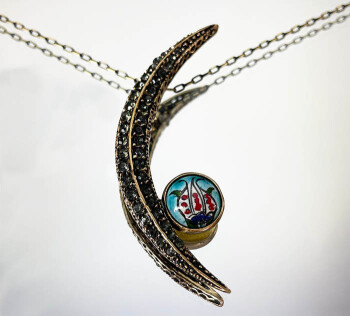
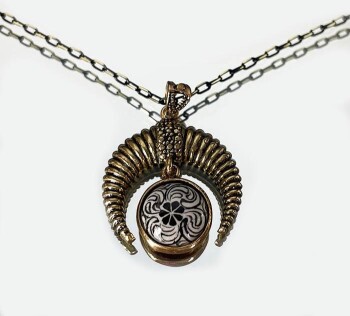
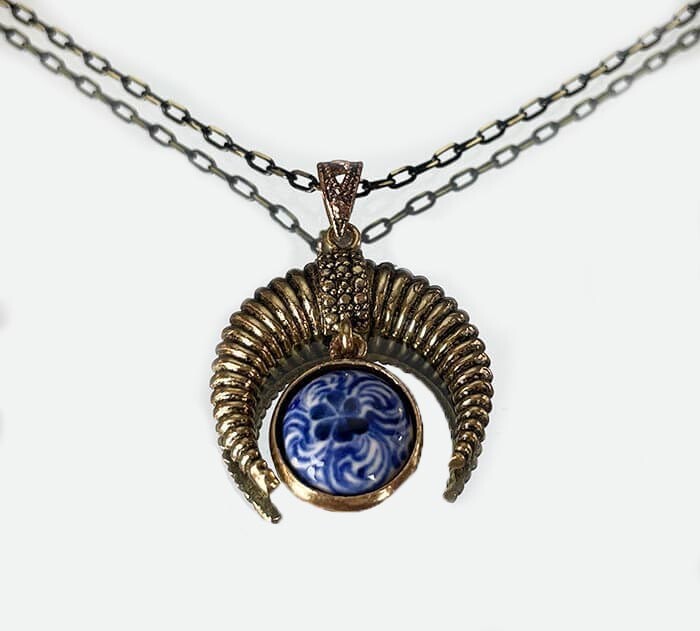
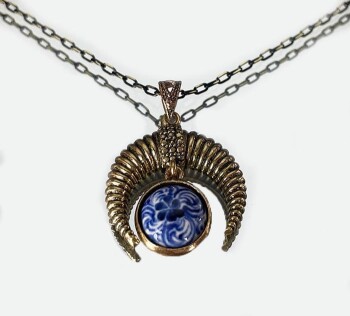
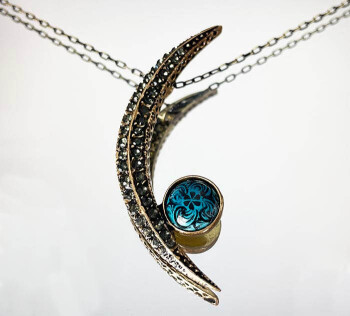
Notify me when it’s in stockThe Halic motif first appeared in Iznik ceramics in the 16th century. The motif is associated with the Golden Horn area of Istanbul and carries a strong connection with water, movement and the historical character of the city.
The Golden Horn is often seen as a symbol of prosperity, abundance and good fortune. Its natural beauty and strategic location made it an important center of trade and commerce during the Ottoman period.
The Halic motif became popular in Iznik ceramics for many reasons, including its symbolic meaning, visual beauty and lasting decorative character.
Sea and water: The Golden Horn is a body of water in Istanbul, and Halic motifs in Iznik ceramics symbolize the sea and water. Water is considered a source of life and a cleansing power. These motifs reflect flow, waves and the fascinating beauty of the sea.
Symbol of Istanbul: The Golden Horn is one of the symbols of Istanbul. In Iznik ceramics, Halic motifs represent the city’s historical and cultural importance and emphasize Istanbul’s deep connection with the sea.
Ornament and aesthetics: Halic motifs are among the decorative elements of Iznik ceramics and add aesthetic value to the pieces. They reflect the visual appeal of ceramic art and the skill of the artisans.
Overall, Halic motifs in Iznik ceramics reflect the flow of water, the beauty of the sea, the symbolic value of Istanbul and the aesthetic richness of the ceramic surface.
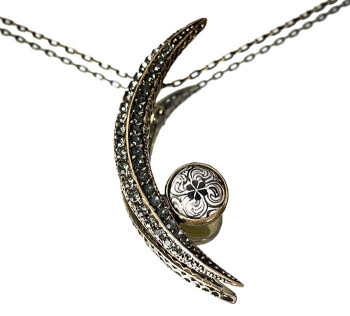
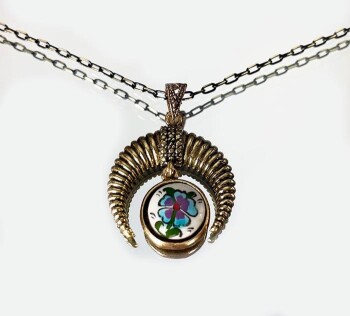
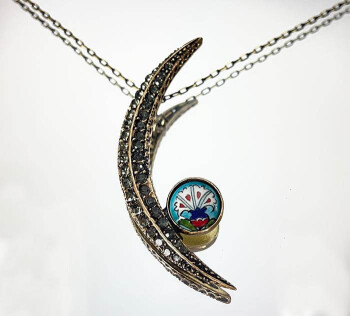
The most common meaning of the clover motif is connected with faith, hope and charity, the three theological virtues. This meaning is based on the idea that each leaf of the clover represents one of these virtues.
Another meaning of the clover motif is its association with good luck and prosperity. Because clover is considered a rare and meaningful plant, the motif is often used in homes, workplaces, jewelry and clothing to attract luck and abundance.
In Iznik ceramics, the clover motif is usually used together with floral or geometric patterns. These motifs complement each other and give Iznik ceramics a rich and eye-catching appearance.
The clover motif was widely used in Iznik ceramics from the 16th to the 18th centuries. During this period, it appeared on many different ceramic works, as well as in designs for garments, jewelry, palaces and homes.
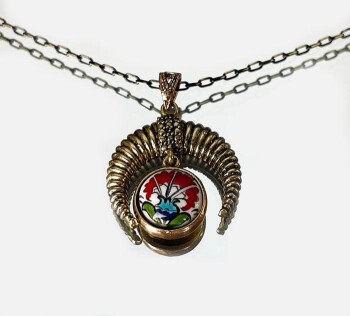
Clover motifs in Iznik ceramics are often depicted with five leaves, although four-leaf clover motifs have also been used. They are usually painted in vivid colors such as red, blue, green, purple or white.
The clover motif is one of the iconic motifs of Iznik ceramics. It carries both decorative and symbolic meaning and adds distinctive beauty and depth to the piece.