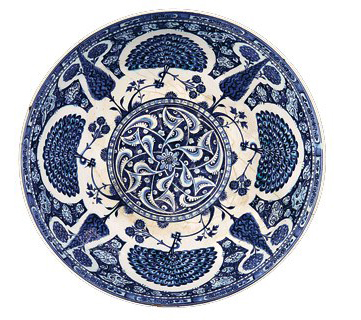
Iznik tiles are among the most precious examples of Turkish ceramic art, admired for their history, durability, colors, motifs and cultural value. From Ottoman palaces to world-famous collections, Iznik ceramics continue to attract attention with their unique beauty.
The Iznik tiles used in the Turkish bath of the famous Titanic, which struck an iceberg on April 14, 1912, were reported to still be intact during research carried out in 2005.
You can watch the surprise of the Discovery Channel team, who filmed the area with a robotic diver, in the video below.
One of the remarkable features of quartz-based Iznik ceramics is their smooth and attractive surface texture. Their shine, depth and handcrafted finish naturally invite people to look closer and touch them.
It is no coincidence that guests are often drawn to the Iznik ceramic pieces displayed in a home or office.
Iznik tiles with high quartz content reflect light beautifully and refresh the atmosphere of the space. They help create an elegant, bright and refined decorative effect in both classic and modern interiors.
Since tile surfaces do not easily retain moisture, they are also valued in architectural and decorative use. Their durability, colors and timeless motifs make Iznik tiles a special choice for walls, panels, plates, vases and gift products.
Tile art entered Turkish culture from West Turkestan and later spread through the Ottoman world. The ceramic tradition known in Europe as faience is also connected to the long history of tile and ceramic art.
You can watch the video below to discover more about the history, production and artistic value of Iznik pottery.