Product Features
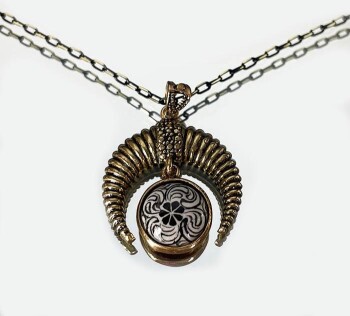
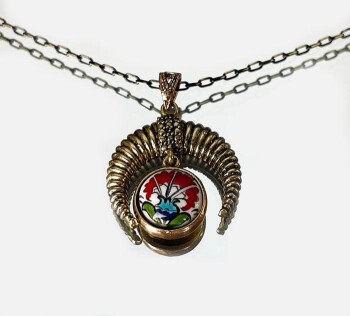
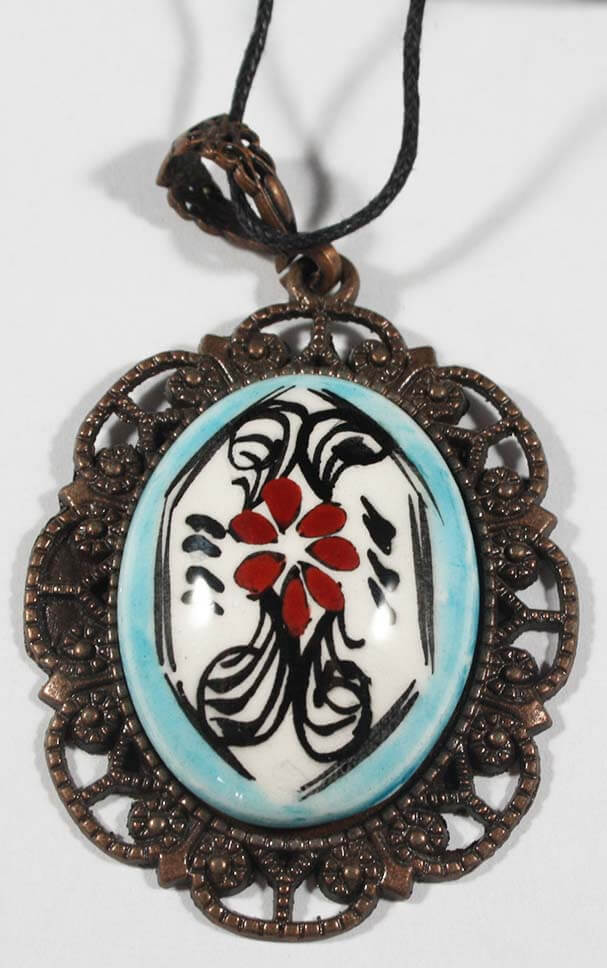
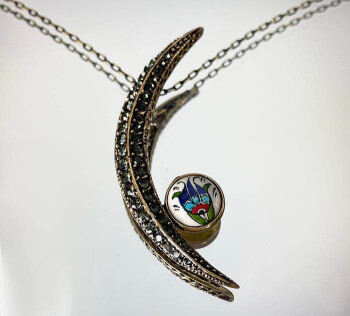
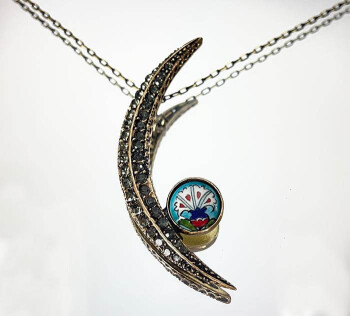
Pattern Information: Meaning of the Daisy Motif
The daisy motif represents the sun, a symbol of life and energy.
Another meaning is that it is a symbol of purity and innocence.
The daisy is also a popular design element in other cultures and is often associated with happiness and good luck.
Reminding us of the beauty and abundance of nature, the daisy motif is a popular choice in tiles used in homes and public spaces.
Sun: The daisy is often associated with the sun, a symbol of life and energy.
Purity and innocence: The daisy is often seen as a symbol of purity and innocence.
Happiness and luck: The daisy is often associated with happiness and good luck.
Special meanings: The specific meaning of the daisy motif in Iznik ceramics may vary depending on the context in which it is used. In some settings, a daisy motif may be seen as a symbol of purity, innocence, or happiness.
History of the daisy motif: The daisy motif has a long and varied history.
It has been used as a decorative and symbolic element in many different cultures throughout history.
The daisy motif was first used in Iznik ceramics in the 16th century.
It quickly became a popular design element and was used on many types of tiles, including tiles for mosques, palaces, and homes.
The use of the daisy motif in Iznik ceramics declined in the 18th century.
However, in recent years, it has seen a revival in popularity.
Other uses of the daisy motif: The daisy motif is also used in other decorative arts such as jewelry, clothing, and furniture.
It is also used in heraldry, where it is often associated with the virtues of purity, innocence, and happiness.
The daisy motif is a popular and versatile design element that has been used in many different cultures for centuries.
It is a symbol of beauty, purity, innocence, and happiness.
Pattern Information: Meaning of the Halic Motif
The Halic motif first appeared in Iznik ceramics in the 16th century. The ceramics were made in the city of Iznik, located near the Golden Horn.
The Golden Horn is generally seen as a symbol of prosperity, abundance, and good fortune.
The natural beauty and strategic location of the Golden Horn made it an important trade and commerce center during the Ottoman Empire.
The Halic motif became popular in Iznik ceramics for many reasons, including its symbolic meaning, beauty, and durability.
Sea and water: The Golden Horn is a body of water in Istanbul, and Halic motifs in Iznik ceramics symbolize the sea and water. Water is accepted as the source of life and a cleansing power. These motifs reflect the flow of water, the movement of waves, and the captivating beauty of the sea.
Symbol of Istanbul: The Golden Horn is one of the symbols of Istanbul. Halic motifs in Iznik ceramics represent the historical and cultural importance of Istanbul and emphasize the city’s connection with the sea and its historical past.
Decoration and aesthetics: Halic motifs are one of the decorative elements of Iznik ceramics and add aesthetic value to the pieces. These motifs reflect the visual appeal of the ceramics and the skill of the craftsmen.
In general, Halic motifs in Iznik ceramics reflect the flow of water, the beauty of the sea, the symbolic value of Istanbul, and the aesthetic value of ceramic art.