Out Of Stock
Notify me when it’s in stockProduct Features
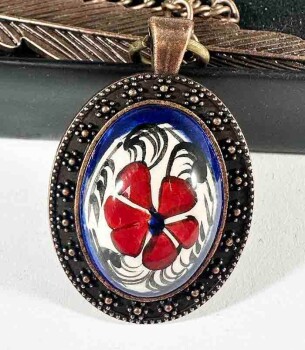
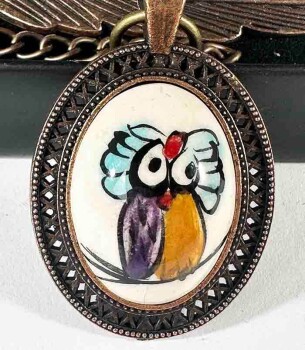
Each Iznik ceramic piece is unique, just like a fingerprint. Even if the same product is produced again in the same way, it will not be exactly identical.
The exact same piece you are viewing now cannot be produced again.
We recommend purchasing the product you like immediately if it meets your needs.
The value of Iznik ceramics never decreases, they never go out of fashion, and they do not become outdated. They are artistic heritage pieces that can be passed down from generation to generation.
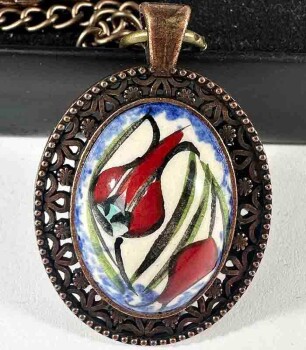
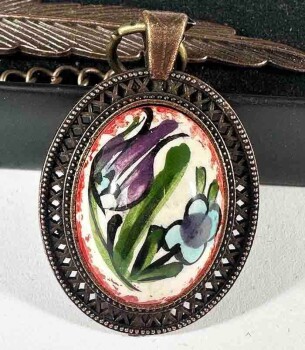
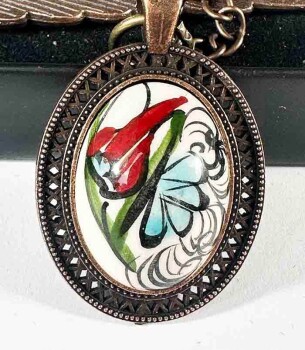
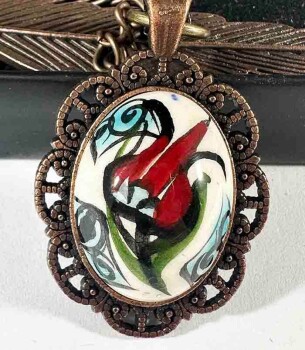
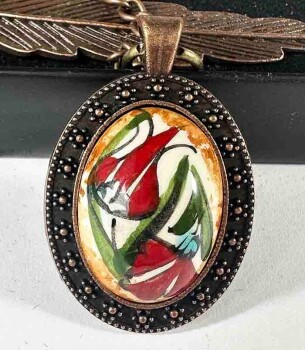
Pattern Information: Tulip Motif
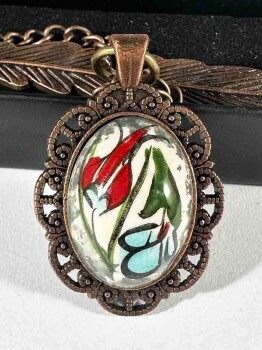
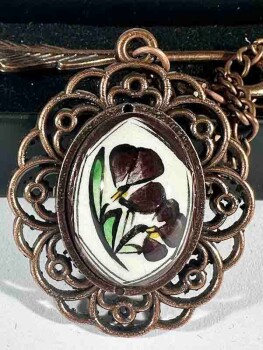
In Iznik ceramics, the tulip is seen as a symbol of love, beauty, and perfection. Because the Turkish word for tulip shares the same letters as the Arabic word Allah, it has also been associated with divine love. The tulip motif became especially prominent in Ottoman and Iznik ceramic art from the 16th century onward.
Love: The tulip is often seen as a symbol of love because of its delicate beauty and graceful form.
Beauty and elegance: The tulip is known as an elegant and aesthetic flower in nature. In Iznik ceramics, tulip motifs emphasize the beauty and elegance of ceramic craftsmanship.
Perfection: The tulip is often seen as a symbol of perfection because of its symmetrical form and balanced petals.
Divine meaning: The tulip is sometimes seen as a divine symbol because of its association with the Arabic word Allah.
Cycle of nature: The tulip is accepted as a herald of spring. In Iznik ceramics, tulip motifs symbolize natural cycles such as the revival of nature, rebirth, and growth.
Nobility and wealth: The tulip became an important symbol during the Ottoman Empire. Tulip motifs were used in Ottoman palaces and other important buildings, symbolizing nobility, power, refinement, and wealth.
Turkish culture and history: The tulip has an important place in Turkish culture and history. In the Ottoman Empire, tulips were grown in palace gardens and adopted as a symbol. Tulip motifs in Iznik ceramics represent the connection to Turkish history and culture.
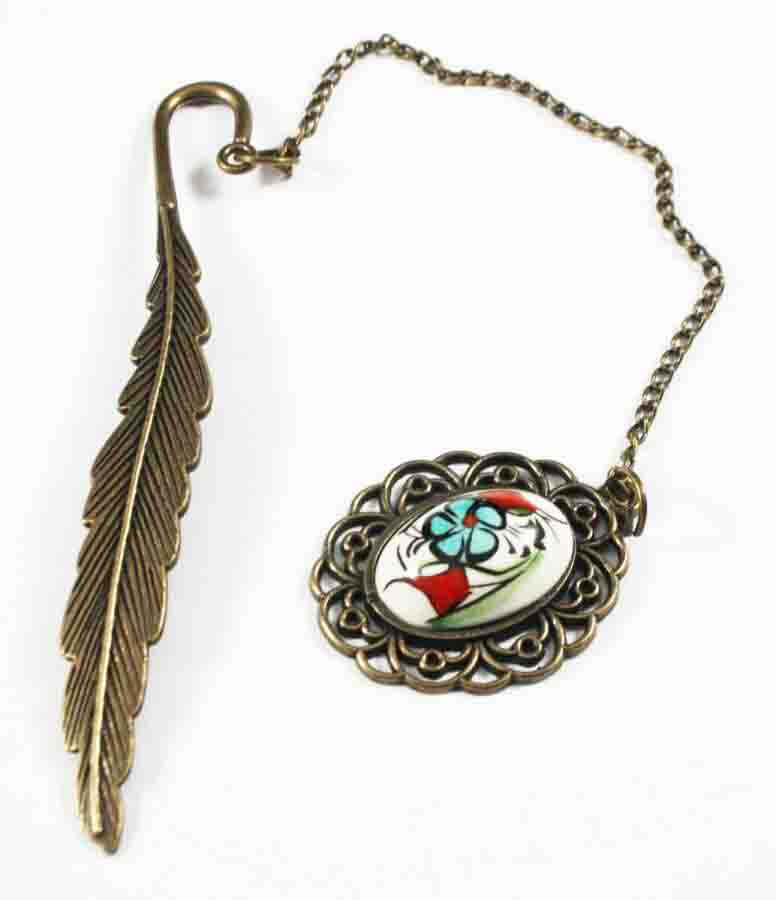
Pattern Information: Clover Motif
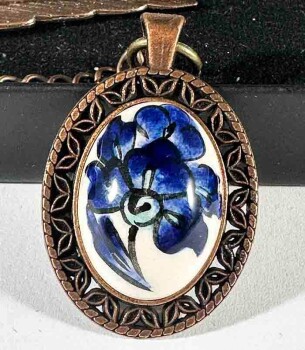
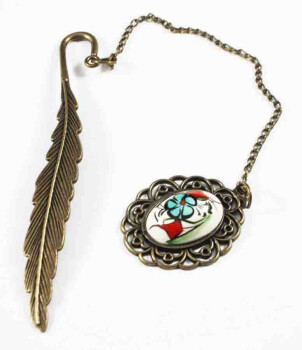
The clover motif is a popular design element in Iznik ceramics. It represents the three theological virtues of faith, hope, and charity. Clover is also a popular design element in other cultures and is often associated with good luck and prosperity.
In Iznik ceramics, the clover motif creates a design that is decorative, symbolic, attractive, and balanced. Reminding us of the beauty and abundance of nature, the clover motif is a popular choice for tiles used in homes and public spaces.
Faith, hope, and charity: These are the three theological virtues represented by the clover.
Fertility and abundance: Clover is a symbol of fertility and abundance in many cultures.
Good luck and prosperity: Clover is often associated with good luck and prosperity in many cultures.
Because the clover motif is both decorative and symbolic, it is a popular design element in Iznik ceramics. It reminds us of the beauty and abundance of nature and is a popular choice for tiles used in homes and public spaces.
Special Meanings
The specific meaning of the clover motif in Iznik ceramics may vary depending on the context in which it is used. For example, a clover motif used in a religious setting may be seen as a symbol of faith, hope, and charity. In a secular setting, it may be seen as a symbol of fertility, abundance, or good luck.
History of the Clover Motif
The clover motif has a long and varied history. It has been used as a decorative and symbolic element in many different cultures throughout history. The clover motif was first used in Iznik ceramics in the 16th century. It quickly became a popular design element and was used on many types of tiles, including tiles for mosques, palaces, and homes.
In the 18th century, the use of the clover motif in Iznik ceramics declined. However, in recent years, it has seen a revival in popularity.