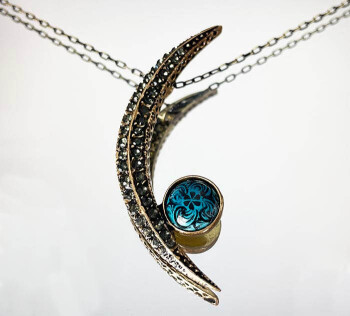
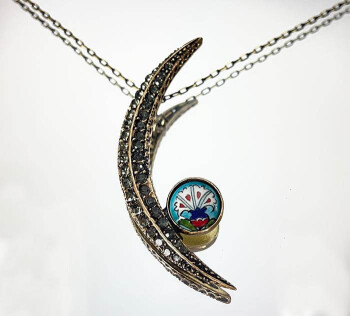
Product Features
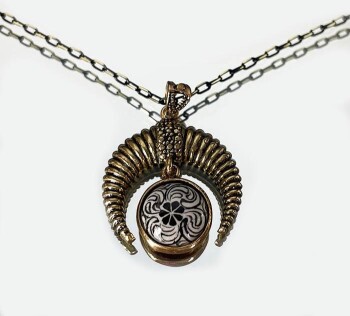
Pattern Information: Chintemani Motif
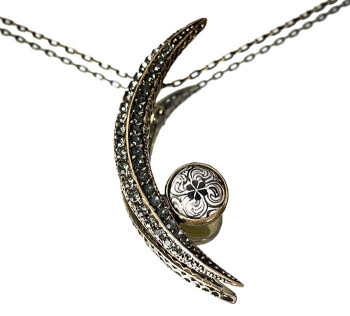
In the 15th and 16th centuries, the Chintemani motif was a symbolic motif of Central Asian origin with a long history in Turkish culture. The word Chintemani is derived from the Sanskrit word “cita”, meaning leopard, and symbolizes power, speed, and intelligence. The motif usually consists of three round forms and wavy lines repeated in a symmetrical order.
In the Ottoman Empire, the Chintemani motif was widely used because it represented power and success. It frequently appeared in the decoration of palaces, mosques, tombs, jewelry, garments, and other important structures. It was also often seen on fabrics, carpets, and ceramics.
The meaning of the Chintemani motif is associated with power, speed, intelligence, and success. It may also symbolize wealth, abundance, and prosperity. In Iznik ceramics, Chintemani motifs are generally used for aesthetic purposes and add depth and visual appeal to spaces with their decorative qualities.
This motif is considered an important part of the artistic heritage of the Ottoman Empire and still appears today in Turkish ceramic art and design.