Out Of Stock
Notify me when it’s in stockProduct Features
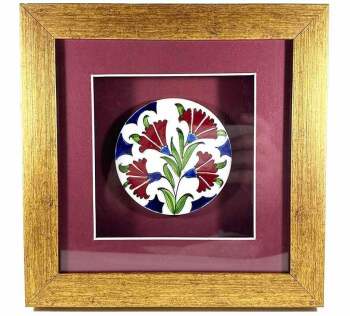
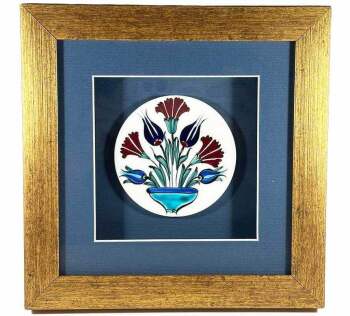
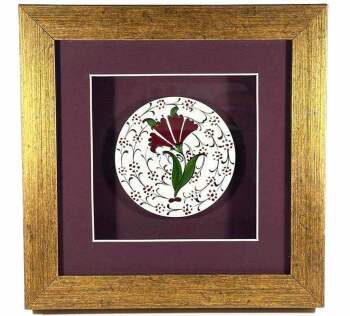
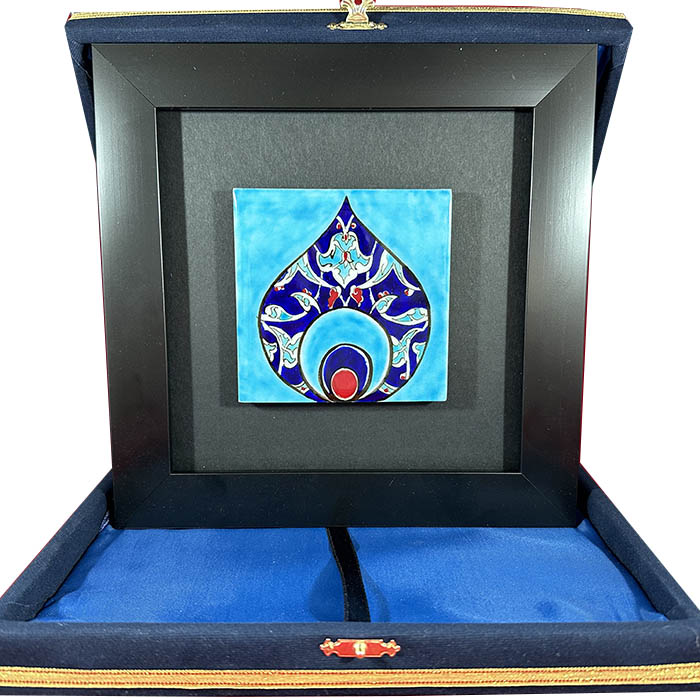
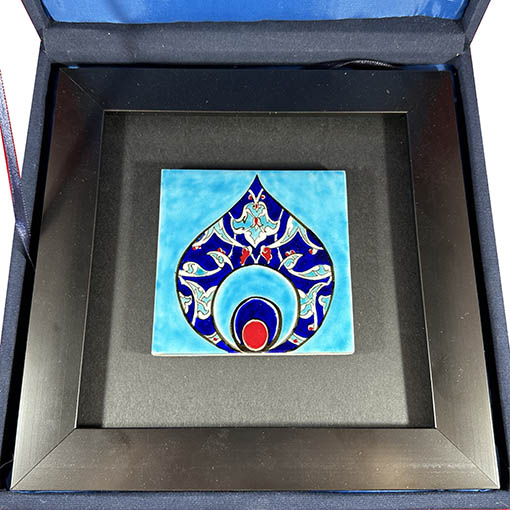
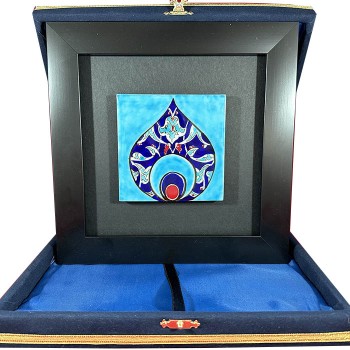
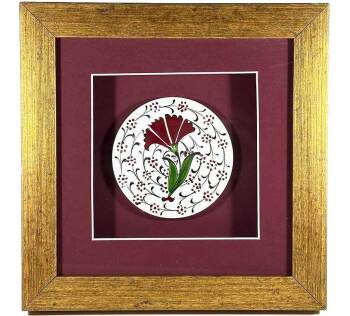
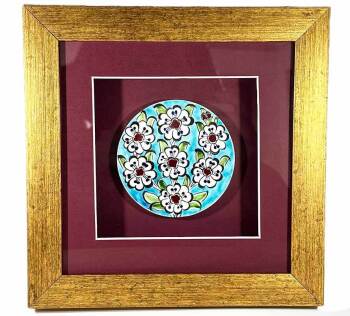
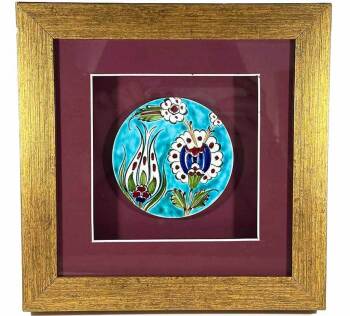
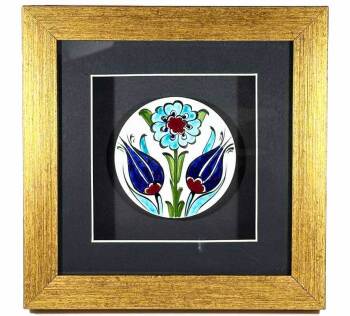
Each Iznik ceramic piece is unique, just like a fingerprint. Even if the same product is produced again in the same way, it will not be exactly identical.
The exact same piece you are viewing now cannot be produced again.
We recommend purchasing the product you like immediately if it meets your needs.
The value of Iznik ceramics never decreases, they never go out of fashion, and they do not become outdated. They are artistic heritage pieces that can be passed down from generation to generation.
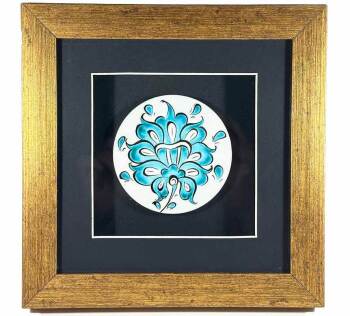
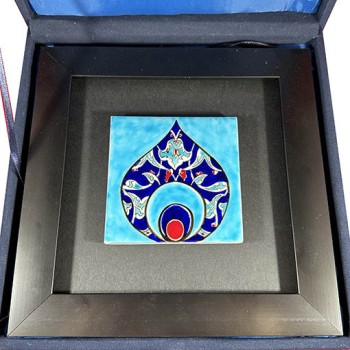
Pattern Information: Cintemani Motif
In the 15th and 16th centuries, the Cintemani motif was a symbolic motif of Central Asian origin and has a long history in Turkish culture. Cintemani is derived from the Sanskrit word “cita” meaning leopard, and symbolizes power, speed, and intelligence. The motif usually consists of three star-like forms and wavy lines, repeated in a symmetrical arrangement.
In the Ottoman Empire, the Cintemani motif was widely used because it represented power and success. It was frequently used in the decoration of palaces, mosques, tombs, and other important buildings. It was also often seen on fabrics, carpets, and ceramics.
The meaning of the Cintemani motif is associated with power, speed, intelligence, and success. It can also symbolize wealth, abundance, and prosperity. Cintemani motifs in Iznik ceramics are generally used for aesthetic purposes and add depth and visual appeal to spaces with their decorative qualities.
This motif is considered an important part of the artistic heritage of the Ottoman Empire and still appears today in Turkish ceramic art and designs.