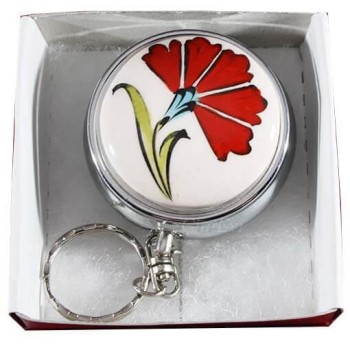
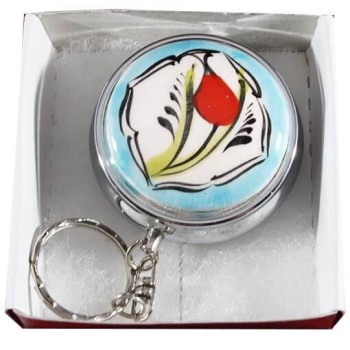
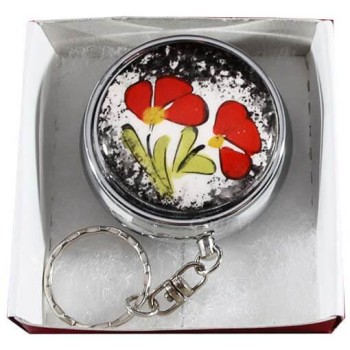
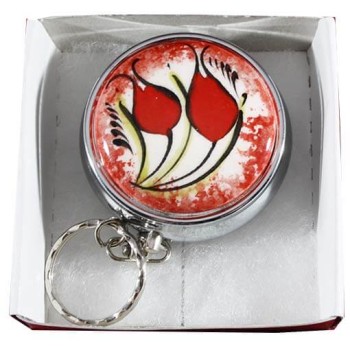
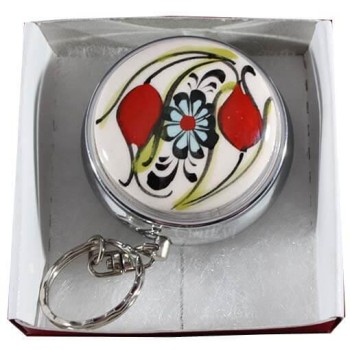
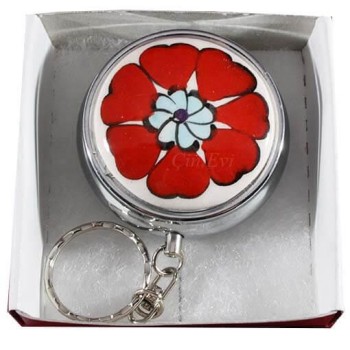
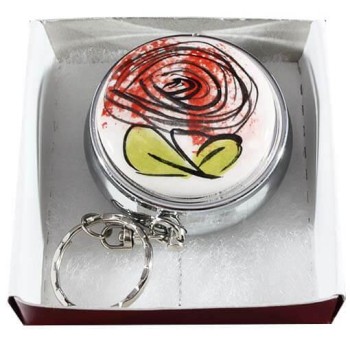
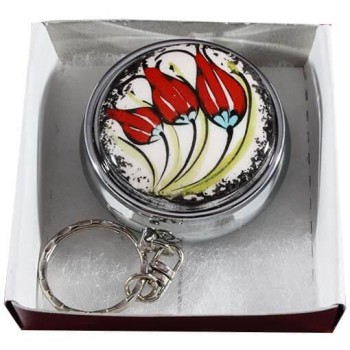
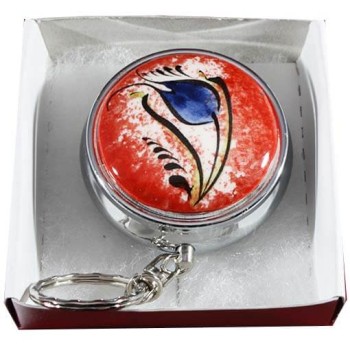
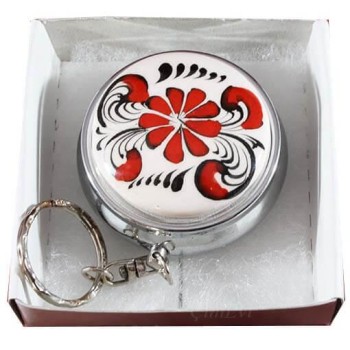
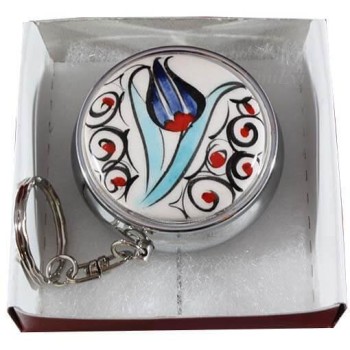
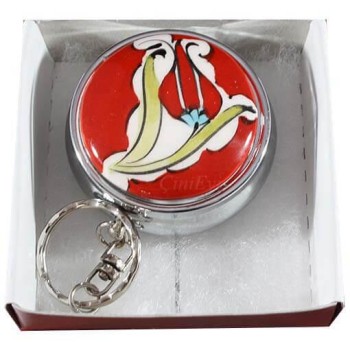
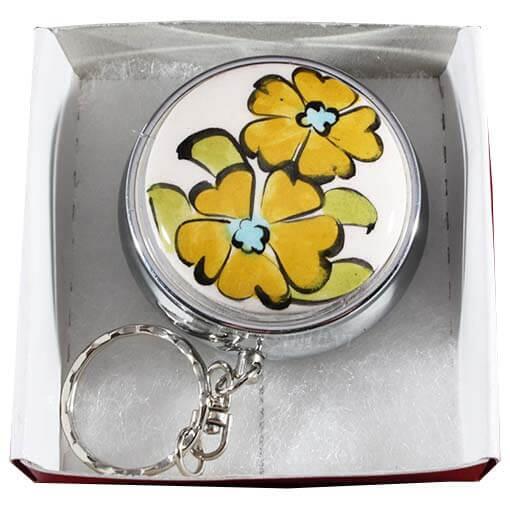
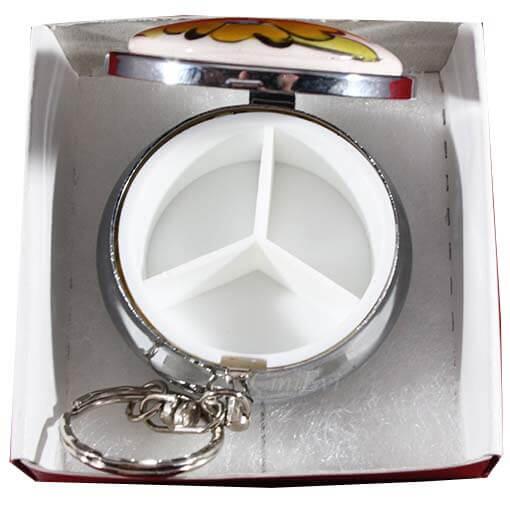
A handmade Iznik ceramic pill box reflecting the warmth of yellow tones, suitable as a stylish and meaningful gift.
The clover motif is a popular design element in Iznik ceramics. It represents the three theological virtues of faith, hope and charity. Clover is also popular in other cultures and is often associated with good luck and prosperity.
In Iznik ceramics, the clover motif creates both a decorative and symbolic design that is attractive and balanced. Reminding us of the beauty and abundance of nature, it is a popular choice for tiles used in homes and public spaces.
Faith, hope and charity: These are the three theological virtues represented by the motif.
Fertility and abundance: Clover is a symbol of fertility and abundance in many cultures.
Good luck and prosperity: Clover is often associated with good luck and prosperity in many cultures.
Because it is both decorative and symbolic, the clover motif is a popular design element in Iznik ceramics. It recalls the beauty and abundance of nature and is a popular choice for tiles used in homes and public areas.
Special meanings: The exact meaning of the clover motif in Iznik ceramics may vary depending on the context. In a religious setting, it may be seen as a symbol of faith, hope and charity. In a secular setting, it may be seen as a symbol of fertility, abundance or good luck.
History of the clover motif: The clover motif has a long and varied history. It has been used as a decorative and symbolic element in many different cultures. It first appeared in Iznik ceramics in the 16th century, quickly became popular, and was used in many ceramic works including tiles for mosques, palaces and homes.
The use of the clover motif in Iznik ceramics declined in the 18th century. However, in recent years it has regained popularity.