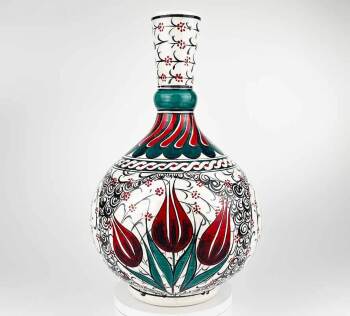
Product Features
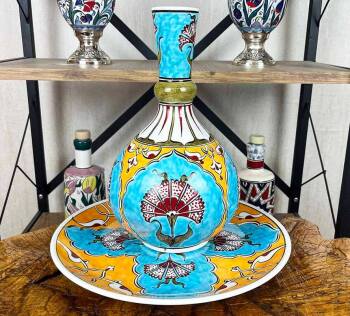
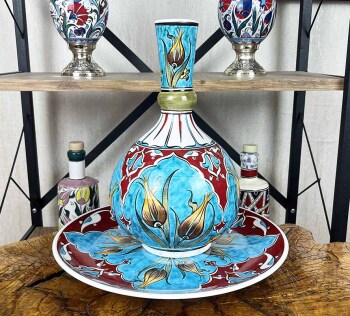
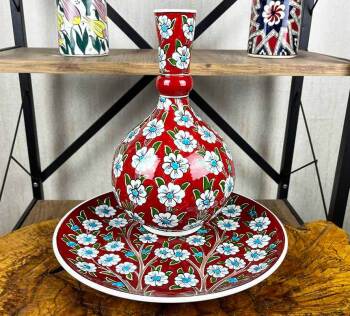
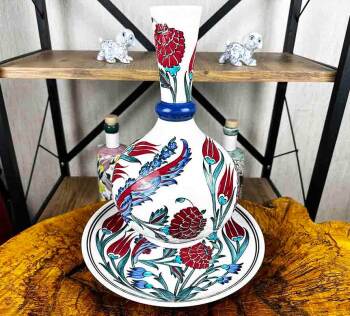
Every Iznik ceramic piece is unique, just like a fingerprint. Even if the same product is made again in the same way, it will not be exactly identical.
The exact same piece you are viewing now will not be produced again.
We recommend purchasing the product you like immediately if it meets your needs.
Iznik ceramics never lose their value, go out of fashion, or become outdated. They are artistic heritage pieces that can be passed down from generation to generation.
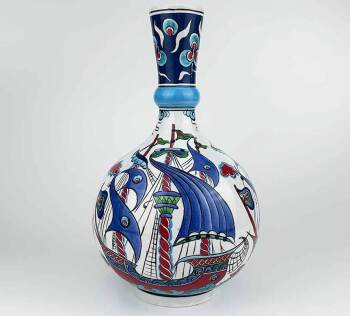
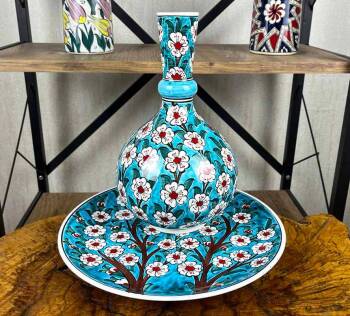
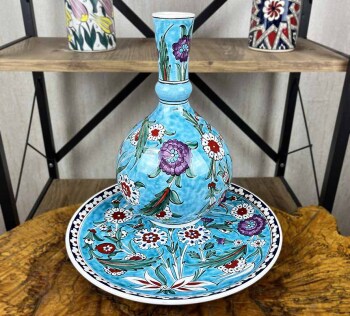
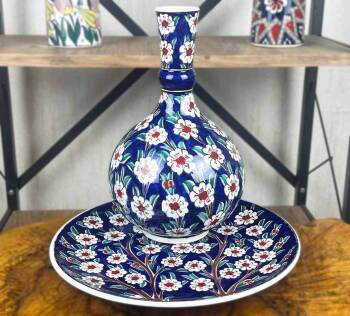
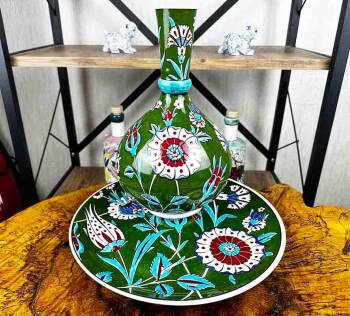
Pattern Information: Halic Motif
The Halic motif first appeared in Iznik ceramics in the 16th century. The ceramics were made in the city of Iznik, located near the Golden Horn.
The Golden Horn is generally seen as a symbol of prosperity, abundance, and good fortune.
The natural beauty and strategic location of the Golden Horn made it an important trade and commerce center during the Ottoman Empire.
The Halic motif is popular in Iznik ceramics for many reasons, including its symbolic meaning, beauty, and durability.
Sea and water: The Golden Horn is a body of water in Istanbul, and Halic motifs in Iznik ceramics symbolize the sea and water. Water is accepted as the source of life and a cleansing power. These motifs reflect the flow of water, the movement of waves, and the captivating beauty of the sea.
Symbol of Istanbul: The Golden Horn is one of the symbols of Istanbul. Halic motifs in Iznik ceramics represent the historical and cultural importance of Istanbul; these motifs emphasize Istanbul’s connection with the sea and its historical past.
Decoration and aesthetics: Halic motifs are one of the decorative elements of Iznik ceramics and add aesthetic value to the ceramics. These motifs reflect the visual appeal of the ceramics and the skill of the craftsmen.
In general, Halic motifs in Iznik ceramics reflect the flow of water, the beauty of the sea, the symbolic value of Istanbul, and the aesthetic value of ceramics.
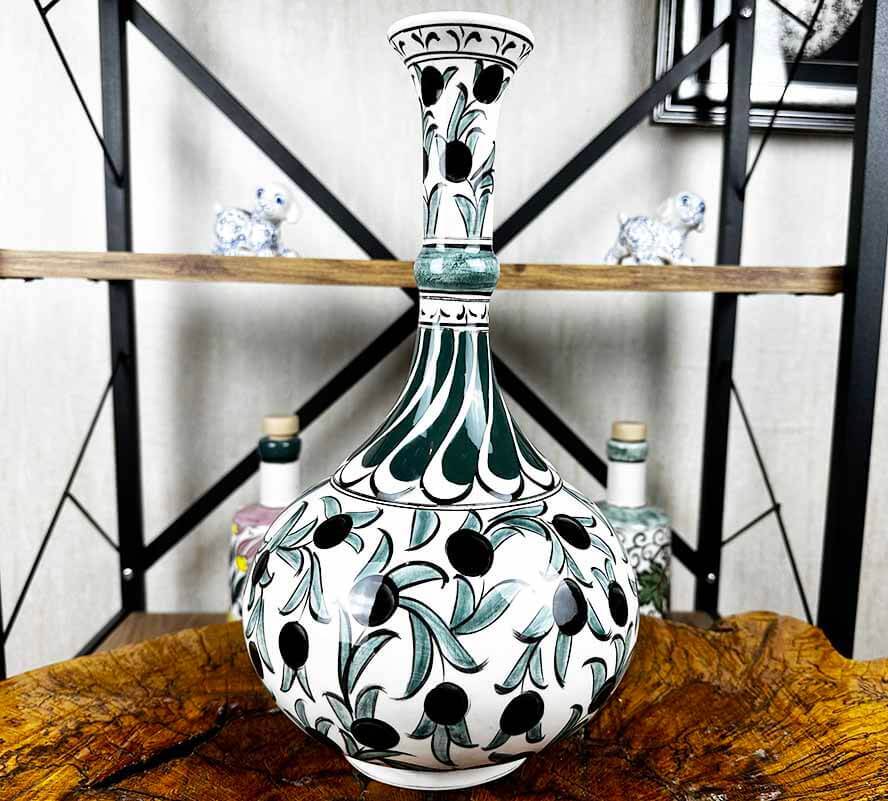
Pattern Information: Olive Branch Motif
The olive branch motif used in Iznik ceramics is a symbolic design with deep meanings. In general:
Peace and reconciliation: Since ancient times, the olive branch has been a universal symbol representing peace and reconciliation. It also preserves this meaning in Ottoman art, carrying a message of tranquility and unity.
Abundance and prosperity: The olive tree is a symbol of abundance with its long life and fruit. In Iznik ceramics, this motif expresses a wish for prosperity, abundance, and a peaceful life.
Durability and long life: Since olive trees can live for hundreds of years, this motif carries meanings of immortality, permanence, and endurance. In ceramic art, it recalls the continuity of life and the strength of nature.
For this reason, Iznik ceramic works decorated with the olive branch motif are not only decorative objects; they are also meaningful artistic products that reflect cultural heritage.
This special Iznik ceramic plate decorated with an olive branch motif adds meaning to homes or loved ones as an elegant expression of peace, abundance, and long life. Inspired by traditional Ottoman art, the design carries traces of the past while also standing out as a modern decorative piece.
With its unique craftsmanship and detailed motifs, this plate is not just an ornament; it is also a story that adds meaning to life. Representing abundance and peace, the olive branch design stands out as an elegant alternative especially for gift choices. With its elegance, it adds an aesthetic touch to tables and can be displayed with pleasure in the most special corner of the home.
This ceramic plate is an ideal choice for those looking for a keepsake that will preserve its value and meaning for years, unlike ordinary gifts.