Out Of Stock
Notify me when it’s in stockProduct Features
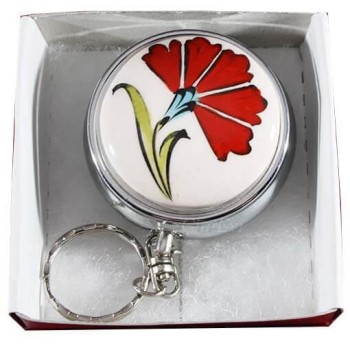
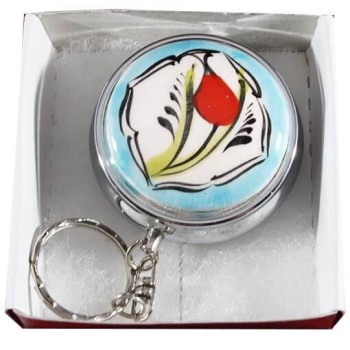
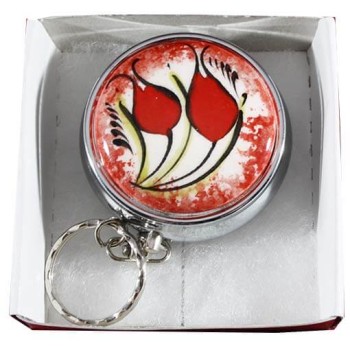
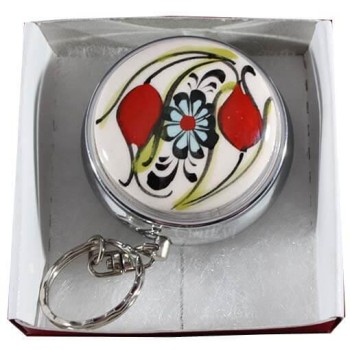
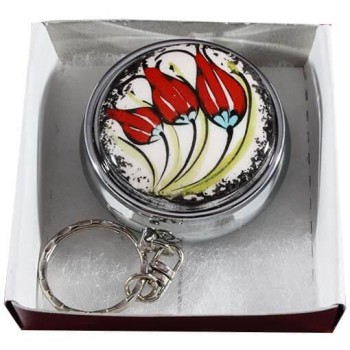
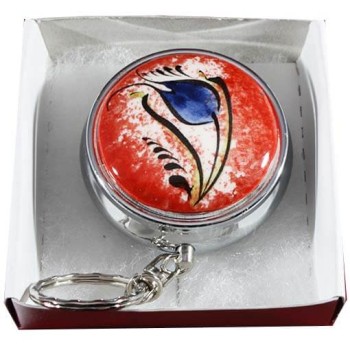
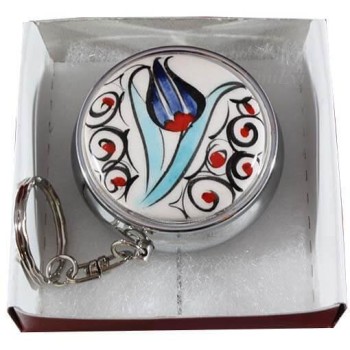
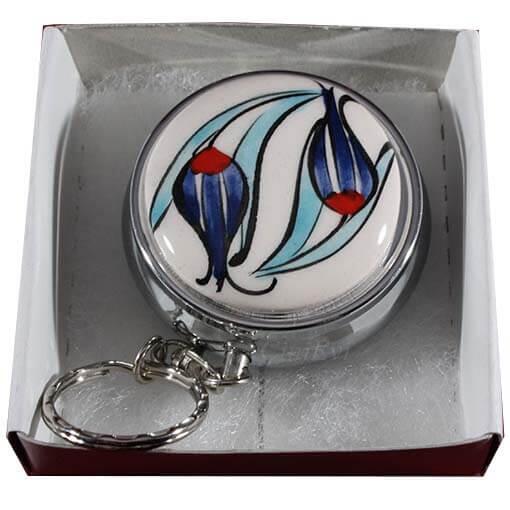
Pattern Information: Tulip Motif
In Iznik ceramics, the tulip is seen as a symbol of love, beauty, and perfection. Because the Turkish word for tulip shares the same letters as the Arabic word Allah, it has also been associated with divine love. The tulip motif became especially prominent in Ottoman and Iznik ceramic art from the 16th century onward.
Love: The tulip is often seen as a symbol of love because of its delicate beauty and graceful form.
Beauty and elegance: The tulip is known as an elegant and aesthetic flower in nature. In Iznik ceramics, tulip motifs emphasize the beauty and elegance of ceramic craftsmanship.
Perfection: The tulip is often seen as a symbol of perfection because of its symmetrical form and balanced petals.
Divine meaning: The tulip is sometimes seen as a divine symbol because of its association with the Arabic word Allah.
Cycle of nature: The tulip is accepted as a herald of spring. In Iznik ceramics, tulip motifs symbolize natural cycles such as the revival of nature, rebirth, and growth.
Nobility and wealth: The tulip became an important symbol during the Ottoman Empire. Tulip motifs were used in Ottoman palaces and other important buildings, symbolizing nobility, power, refinement, and wealth.
Turkish culture and history: The tulip has an important place in Turkish culture and history. In the Ottoman Empire, tulips were grown in palace gardens and adopted as a symbol. Tulip motifs in Iznik ceramics represent the connection to Turkish history and culture.