Out Of Stock
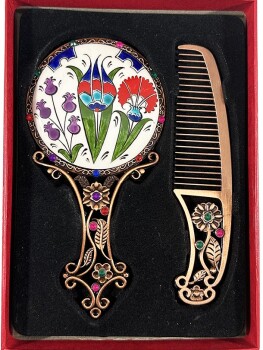
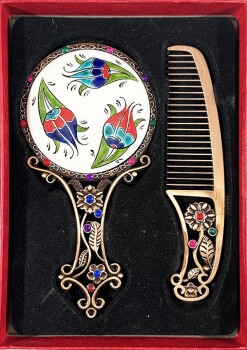
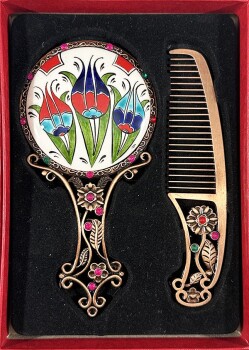
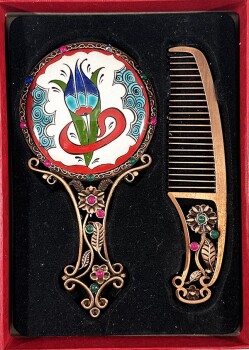
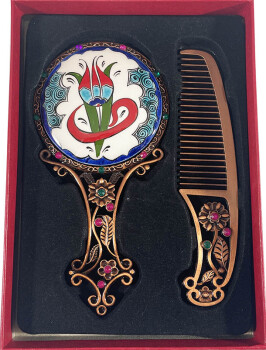
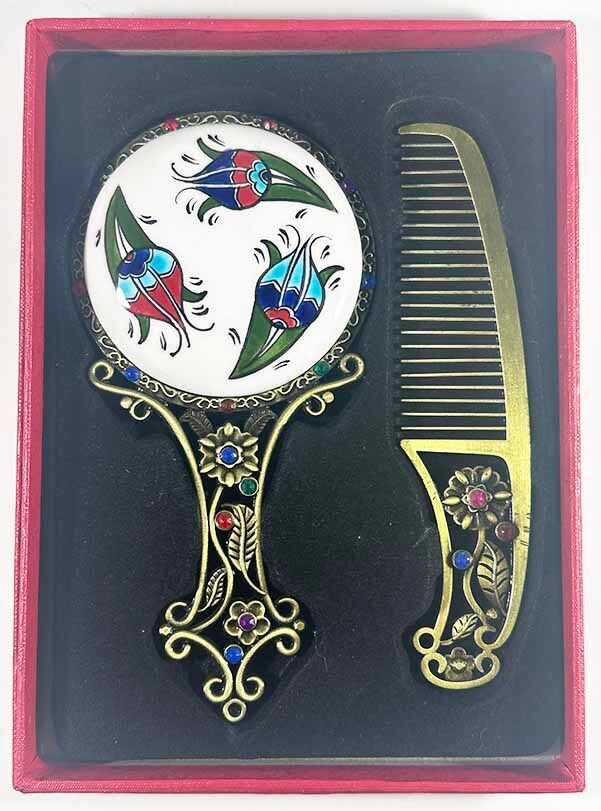
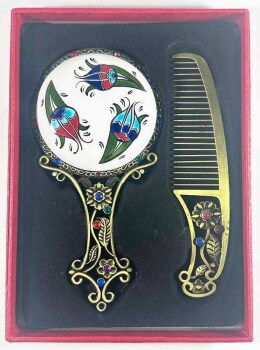
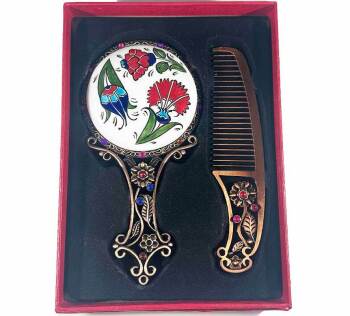
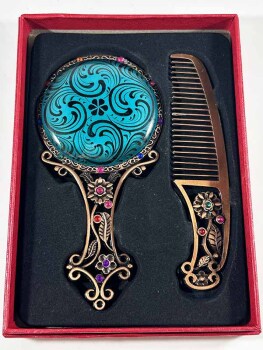
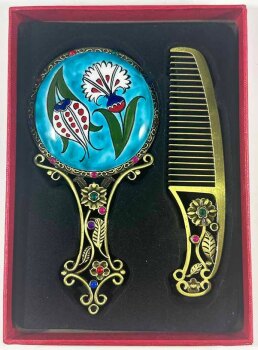
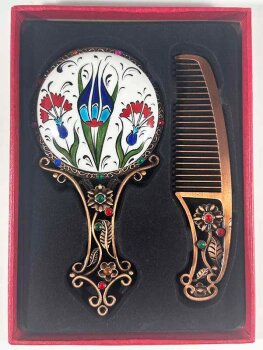
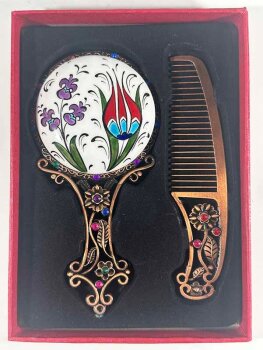
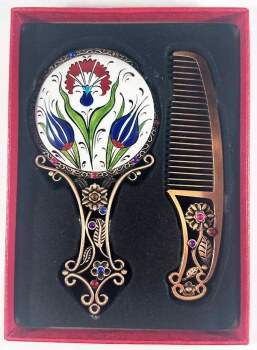
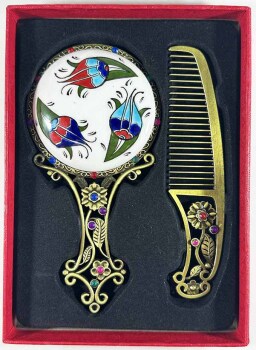
Notify me when it’s in stockThree Tulips Mirror & Comb Set – Ottoman-Inspired Iznik Ceramic Gift
In the Ottoman era, a mirror was one of the most meaningful gifts a man could give to a woman — symbolizing the sentiment: “I couldn’t find a gift more beautiful than you.” This elegant mirror and comb set continues that tradition, blending timeless love with the refined beauty of Iznik ceramics.
Product Features:
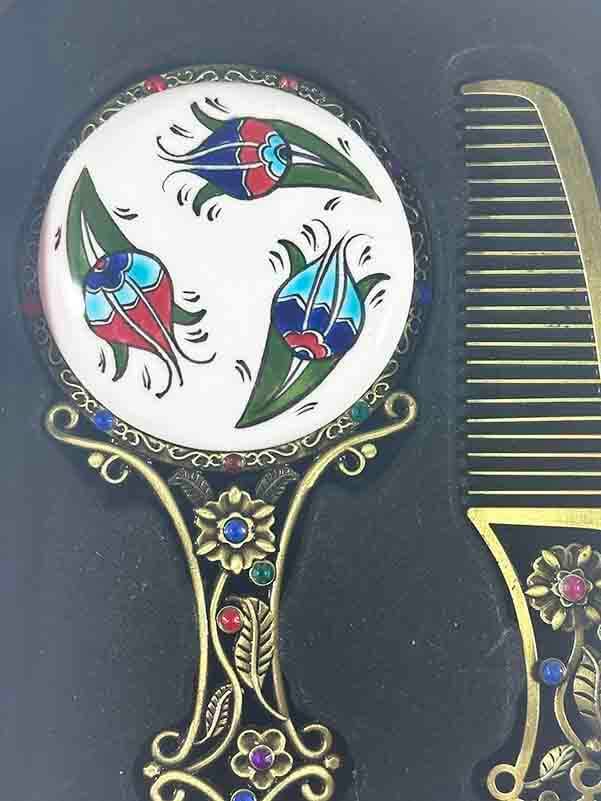
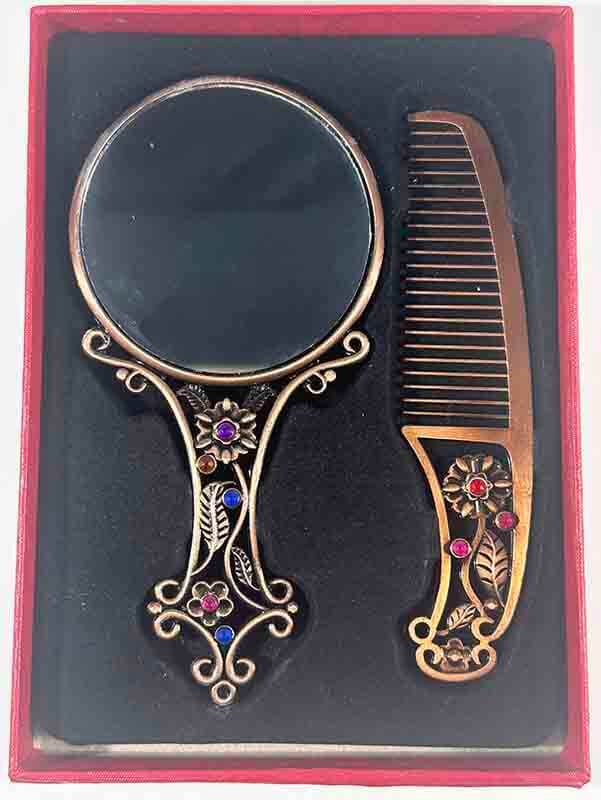
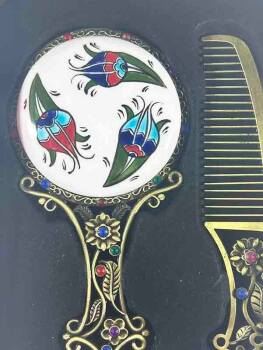
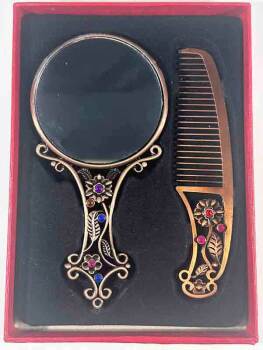
Crafted with detailed Ottoman-style metal engravings
Embellished with bright decorative stones
Functional and elegant
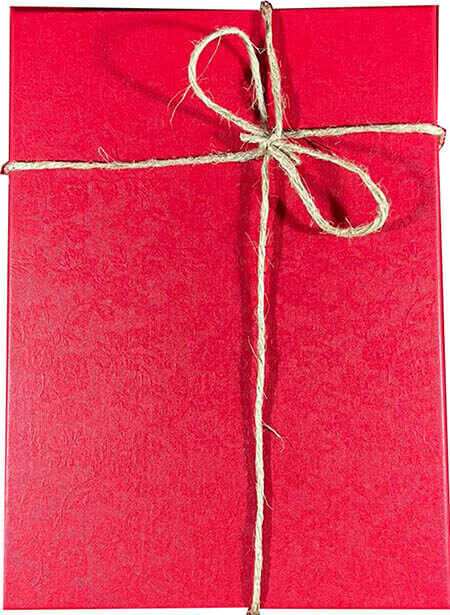
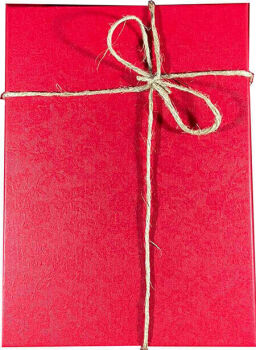
Includes the gift box shown – ships the same day
Product Dimensions:
Mirror length (with handle): 15.4 cm (6.06 inches)
Comb length: 12.2 cm (4.80 inches)
Gift box size: 17 cm (6.69 inches) x 11.5 cm (4.53 inches) x 2.8 cm (1.10 inches)
Each Iznik ceramic piece is truly one-of-a-kind — like a fingerprint. Even if a similar design is created again, it will never be exactly the same. This set is unique and may never be reproduced. If it captures your heart, don’t miss the opportunity to own it.
Iznik tiles are timeless treasures. They do not fade, break down, or lose value. They are artistic heirlooms that reflect history, culture, and identity — perfect to pass from one generation to the next.
Motif Meaning – Tulip:
In Iznik tile art, the tulip represents love, beauty, and perfection. The Turkish word for tulip (lale) contains the same letters as Allah in Arabic, making it a symbol of divine love in Ottoman culture.
Love & Romance: With its elegant and delicate form, the tulip is a symbol of heartfelt affection
Grace & Aesthetics: The tulip’s refined beauty reflects the craftsmanship of Iznik tilework
Symmetry & Perfection: Its balanced shape embodies harmony and ideal proportion
Spirituality: Often viewed as a symbol of divine connection and reverence
Seasonal Renewal: Tulips signal spring, renewal, and the cyclical rhythms of life
Royal Symbolism: Widely used in Ottoman palaces to signify nobility, elegance, and prestige
Cultural Heritage: A defining motif in Turkish artistic identity and historical memory